
The Japanese Cherry Blossom Festival, known as ‘Sakura’, signifies the welcoming of Spring. The act of celebrating the festival is called ‘hanami’, which literally translates to ‘the viewing of flowers’, with the traditions of the festival itself dating back over a thousand years.
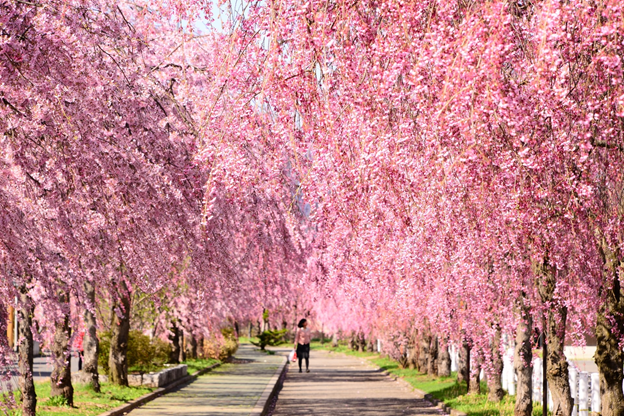
The cherry blossom festival is a celebration of the beauty of nature throughout Japan that sees the Japanese gather together for food, drink, songs and friendship while the flowers are in bloom. Festivals take place anywhere from January through to June, depending on the region, however, the majority take place between March and April. With over 200 different varieties of cherry blossom trees in Japan, there are plenty of gorgeous flowers to choose from, ranging from white to pink.
What are the traditional origins of ‘Hanami’?

Hanami represents the beginning of Spring each year. The cherry blossom acts as a cultural symbol of renewal and hope, and has long been treasured by the Japanese as an emblem of their country’s beautiful landscape. The tradition of Hanami has been ongoing since as early as the third century, according to text from the eighth century.
There are a number of gorgeous places to spot the blossoms while travelling Japan – among the most popular is Kyoto’s Golden Pavilion. The temple is over 700 years old, and sits in a sprawling, tranquil garden. Another beautiful spot is Nara Park, notable for its native deer who are known for wandering throughout the trees. The deer are wild but peaceful in nature, and are classed as a sacred national treasure. With 1700 cherry blossom trees in the park, it’s not a festival to miss.
What happens at the cherry blossom festival?

It goes without saying that at Hanami, the flowers are the star attraction. As a cultural celebration of beauty, all numbers of Japanese performing arts are present to draw in crowds, particularly song and dance.
In a normal year, people gather in parks under the moonlight and the illuminated sakura trees. There are festivals to appreciate the flowers all over the country. Famous castles around Japan provide particularly scenic backgrounds to the time of year and become popular destinations. At night, many festivals will be decorated with paper lanterns throughout the trees, maintaining the beauty of the flowers into the night. This is known as ‘yozakura‘, which means ‘night sakura’. A particularly calming and special way to take in the festival is with a traditional Japanese tea ceremony held under the cherry blossom trees.
But, of course, 2021 is looking to be far from a normal year due to the continued impact of COVID-19. There is a high possibility that large gatherings will be discouraged, and festivals will not be as boisterous as a couple of years ago. We can expect people will be encouraged to celebrate hanami in a quiet way.
What foods are eaten at the festival?

Second to the flowers, the most important part of Hanami is the food. Typically, families and friends will take in the festival with a picnic under the blossoming trees. Sweet and savoury dishes are enjoyed at the festival and are often themed to match the pink blossoms.
Bentos are a popular meal option for hanami (a sort of Japanese mixed lunch box) and are often sold seasonally, with sakura mochi, pink onigiri, and red bean treats included. Hanami also calls for themed dumplings, with a popular saying ‘hana yori dango’, which translates as ‘dumplings rather than flowers’! These sweet rice dumplings are served in lots of three on a skewer and are often flavourite with chestnut, sesame, or green tea.
Source https://www.kobejones.com.au/